
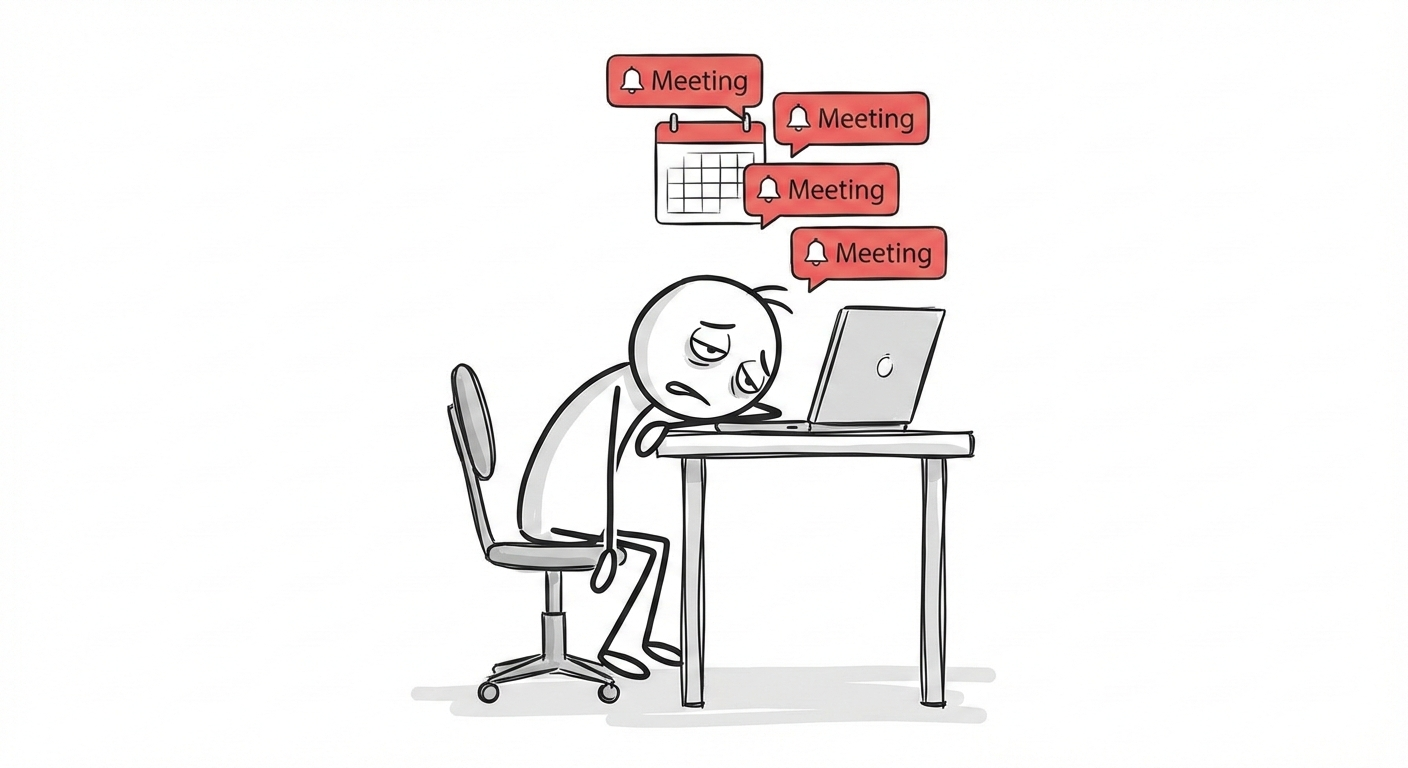
Do you find it harder to get decisions or sponsorship in winter? I’m here to tell you that it’s not just you.
SAD is a serious condition that can affect anyone, if we apply UK SAD prevalence (3–7% of adults) to the tens of thousands of architects in the UK, that suggests thousands may be affected each winter. Senior decision makers and sponsors are drawn from the same population, so it is reasonable to assume a similar proportion are affected.
Across all the architect–sponsor interactions in a winter, it is more likely than not that some of those key decision conversations involve at least one person who is struggling with SAD symptoms, sometimes both.
‘Axis Integrated Mental Health’ reports on how SAD and Executive Function is a double-edged sword in their 2024 blog:
The symptoms of SAD strike at the heart of executive functioning—those higher-order cognitive processes that enable goal-directed behaviour. Specifically:
- Reduced Cognitive Flexibility: Executives facing SAD may find it harder to pivot between complex tasks or generate innovative solutions, both of which are crucial in high-stakes environments.
- Impulsive Decision-Making: SAD has been linked to alterations in the brain’s prefrontal cortex, which governs impulse control. Executives may struggle to weigh long-term consequences adequately, leading to suboptimal decisions.
- Diminished Emotional Regulation: Leadership often demands navigating emotionally charged situations with poise. SAD-induced irritability or apathy can hinder conflict resolution and employee engagement.
- Declining Physical Stamina: Fatigue, a hallmark of SAD, exacerbates the natural demands of winter, such as commuting in harsh weather or navigating end-of-year deadlines.
Post-COVID hybrid working has layered a new problem on top of this. Many knowledge workers now feel compelled to fill every facet of the day in their calendar—sidebar: this was originally typed as “faucet,” which, depending on your view of meetings, may be closer to the truth. In person, this habit quickly breaks down when you realise there is literally not enough time to move between back-to-back meetings, let alone think about what was just decided.
The underlying driver is familiar: the need to be seen to be doing something, to show motion, to “move the needle,” even when the quality of thinking quietly degrades.
Switching tracks, athletes spend most of their time preparing for a single moment of high-stakes performance, employees are often expected to operate at peak capacity for 40+ hours a week with zero dedicated “training” time or intentional recovery. There is a 25-year-old article from HBR called “The Making of a Corporate Athlete” that is well worth a read but has a quote that truly resonated with my own struggles with getting sponsorship:
Have you ever suddenly found the solution to a vexing problem while doing something “mindless” such as jogging, working in the garden, or singing in the shower? That’s the left-brain, right-brain shift at work—the fruit of mental oscillation.
So, is this article a critique of the “Always-On” culture and the misuse of tools like Outlook and Slack? Well, yes but, it’s really asking the question: “If we are paid for the quality of our decisions, why do we leave no time to sharpen the tools we use to make them?”
Daylight brings visibility in more ways than one. More data and more meetings mean little without time to digest, connect and decide, and daylight is a simple, powerful ingredient in that process. Your relationship with decision makers, and your ability to influence them, is shaped by the environment you share.
You may not fully control that environment, but you can nudge it: leave deliberate space in your diary, take walking meetings, seek natural light before big conversations and recognise that your sponsor, particularly in the shortest days of the year, needs the right conditions and the right time to make the decisions you depend on.